Obligate: A Display Font for Editorial Excellence
As a content creator and editorial designer, I’ve spent years exploring fonts that can elevate the visual experience of written content. One font that has consistently stood out is Obligate. Designed with both elegance and functionality in mind, Obligate is a display font that brings a refined yet approachable aesthetic to editorial design. Whether you're crafting a blog post, designing a magazine cover, or creating an ebook, Obligate offers a versatile solution that supports readability, brand identity, and reader engagement.
The Visual Identity of Obligate
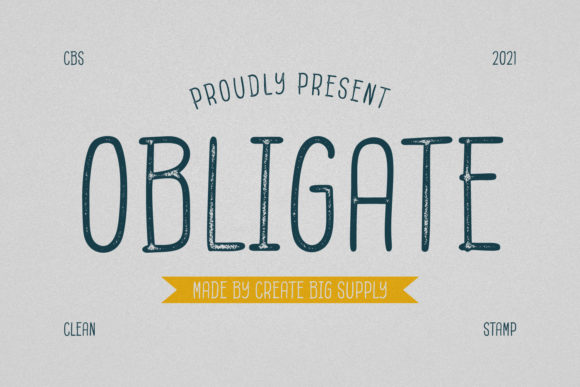
Obligate is a clean, modern display font with a subtle serif influence. Its structure is balanced, with clear letterforms that maintain legibility even at smaller sizes. The font carries a sense of sophistication, making it ideal for projects that require both visual appeal and professional tone. Its personality is understated yet striking—perfect for branding materials that need to make an impact without being overwhelming.
What sets Obligate apart is its ability to adapt to various editorial contexts. It works seamlessly as a headline font, offering a strong visual anchor that draws the eye. At the same time, its design allows for flexibility when paired with complementary typefaces for body text. This versatility makes it a valuable asset in any designer’s toolkit.
Using Obligate in Editorial Design
In editorial design, typography plays a crucial role in guiding the reader through content. Obligate excels in scenarios where visual hierarchy and emphasis are key. For instance, it can be used as a primary font for blog headers, magazine covers, or ebook titles. Its clean lines and structured form ensure that it remains readable while still standing out in a design layout.
Consider using Obligate for a lifestyle blog's featured post. Pairing it with a sans-serif body font creates a contrast that enhances readability and adds visual interest. Similarly, in a digital magazine, Obligate can serve as a section heading, helping to break up long blocks of text and improve scannability.
For print materials like worksheets, guides, or printable planners, Obligate provides a polished look that aligns with the expectations of a well-designed publication. Its clarity ensures that even in small print sizes, the text remains legible, which is essential for materials that will be read on paper or viewed on mobile devices.
Enhancing Brand Identity with Obligate
Brand identity is built on consistency, and typography is a key component of that. Obligate can help reinforce your brand’s visual language across different platforms. Whether you’re designing a newsletter, a course landing page, or a social media graphic, this font adds a touch of professionalism and refinement.
Its neutral yet distinctive character makes it suitable for a wide range of industries, from creative publishing to educational content. When used in logo design or as an accent font, Obligate can subtly elevate the overall aesthetic of a brand without overshadowing other design elements.
For digital products like templates or downloadable assets, Obligate can serve as a signature font that helps establish a recognizable style. This is particularly useful for content creators who want to maintain a consistent visual identity across multiple projects.
Font Pairing and Layout Considerations
When pairing Obligate with other fonts, it’s important to consider the balance between contrast and harmony. As a display font, it pairs well with readable serif or sans-serif fonts for body text. For example, using a classic serif font like Georgia for paragraphs complements Obligate’s clean structure and enhances the overall reading experience.
On web and mobile platforms, ensuring that Obligate renders correctly is essential. Testing how it appears on different screen sizes and resolutions can help identify potential issues with legibility. Additionally, checking for multilingual support and ligature options ensures that the font remains functional across diverse content types.
For PDF exports and print layouts, verifying that Obligate maintains its intended appearance is critical. Some fonts may not render perfectly in certain formats, so it’s always wise to preview the final output before publishing.
Practical Applications of Obligate
- Lifestyle Blogs: Use Obligate for featured headlines or pull quotes to create visual interest.
- Recipe Ebooks: Apply it to title pages or chapter openers to set a stylish tone.
- Wedding Guides: Incorporate it into cover designs or section headings for a sophisticated feel.
- Coaching Workbooks: Utilize it for titles or motivational quotes to enhance the emotional impact of the content.
- Digital Magazines: Employ it for article titles or sidebars to guide readers through the layout.
- Printable Planners: Use it for weekly headers or section dividers to add a touch of elegance.
- Creator Newsletters: Integrate it into email subject lines or call-to-action buttons for a professional finish.
Each of these applications demonstrates how Obligate can be tailored to meet the specific needs of different editorial projects. Its adaptability ensures that it remains a reliable choice for designers working across a variety of content formats.
Commercial Licensing and Design Assets
If you’re planning to use Obligate in commercial projects, such as ebooks, templates, or paid newsletters, it’s important to review the licensing terms. Most premium fonts, including Obligate, offer commercial use rights that allow for distribution and resale, provided they are used within the specified guidelines.
When purchasing Obligate, check if it includes alternate weights, ligatures, or special characters that might be useful for your design work. These features can expand the font’s utility and provide greater flexibility in your layout choices.
Ultimately, Obligate is more than just a beautiful font—it’s a tool that can elevate the quality and impact of your editorial work. By understanding its strengths and applying it thoughtfully, you can create content that is both visually compelling and functionally effective.